Violin lessons in Terrebonne: Progress at your own pace
Learning the violin is a lifelong quest that combines athletic discipline with artistic sensitivity. Whether you're a parent wanting to introduce your child to music or an adult eager to fulfill a childhood dream, learning the strings is possible with passionate music lovers like the teachers at Garage à Musique.
Why choose the violin as a musical instrument?
Beyond its versatility, learning it provides undeniable cognitive benefits: improved memory, development of fine motor skills, and strengthening of personal discipline.
The challenges and the rewards
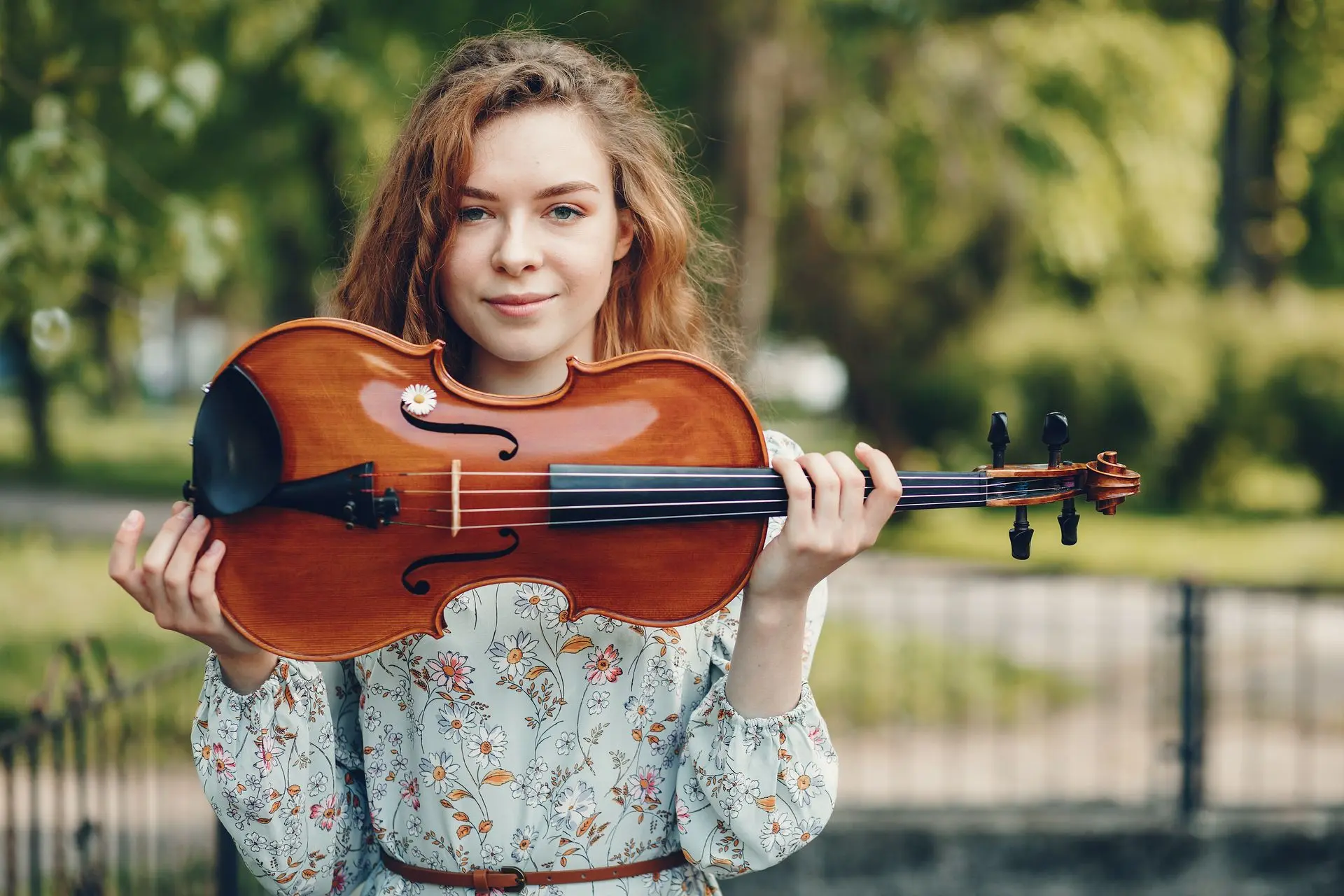
Let's not kid ourselves: the violin is one of the most demanding instruments. Unlike the piano, where the note is "pre-programmed," the violinist must create their own pitch. It's this challenge that makes success so rewarding. Every millimeter counts, and every bow stroke is a unique sonic signature. This is precisely what the teachers at the GAM music school will strive to teach you through the various lessons you'll take with them.
The importance of pedagogical affinity
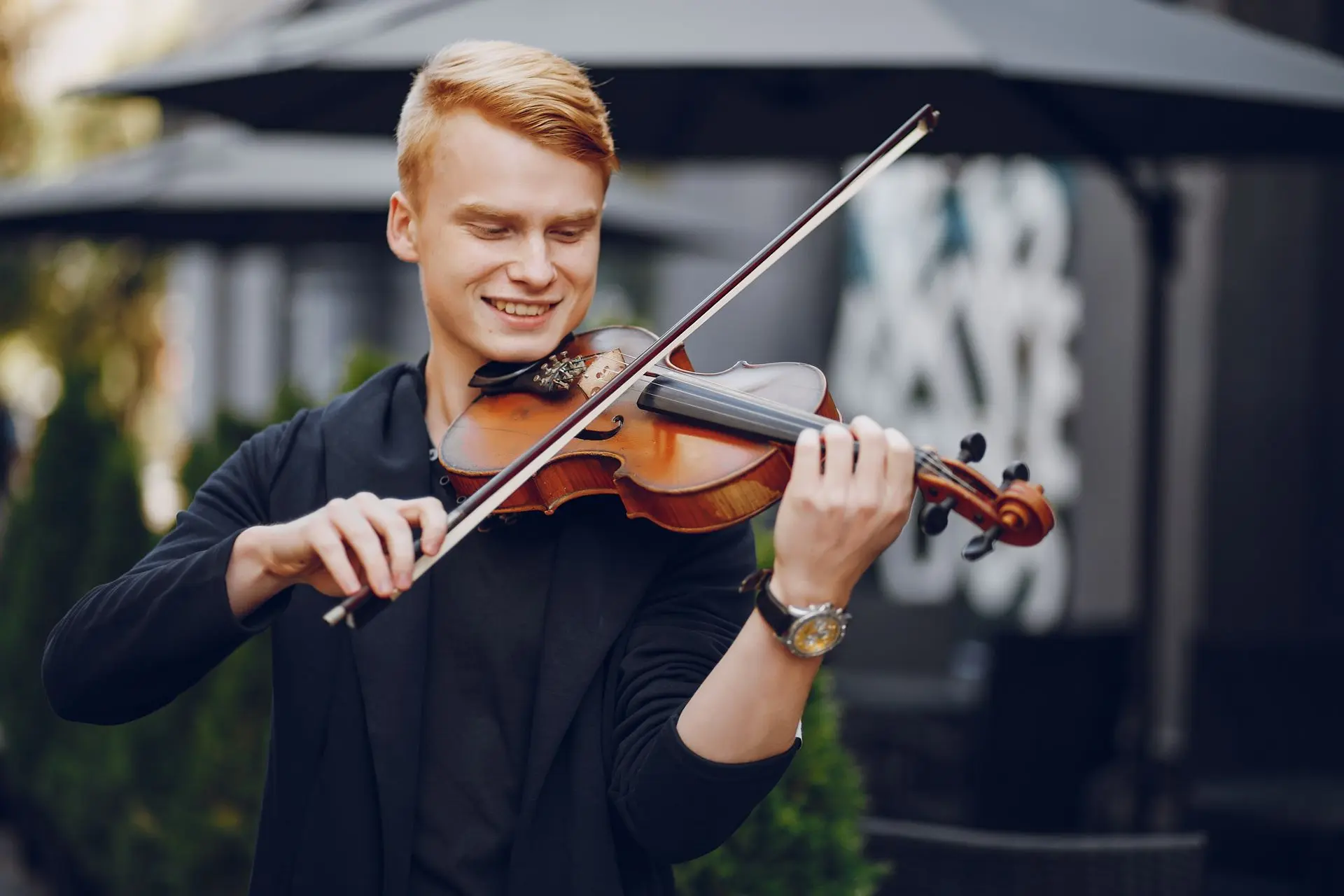
A good teacher shouldn't just be a virtuoso; they must be an exceptional communicator. Make sure the teacher understands your goals, whether it's playing Bach or traditional Quebec music. Don't hesitate to ask for a trial lesson to see if you and your teacher are a good fit.
The acquisition of the instrument
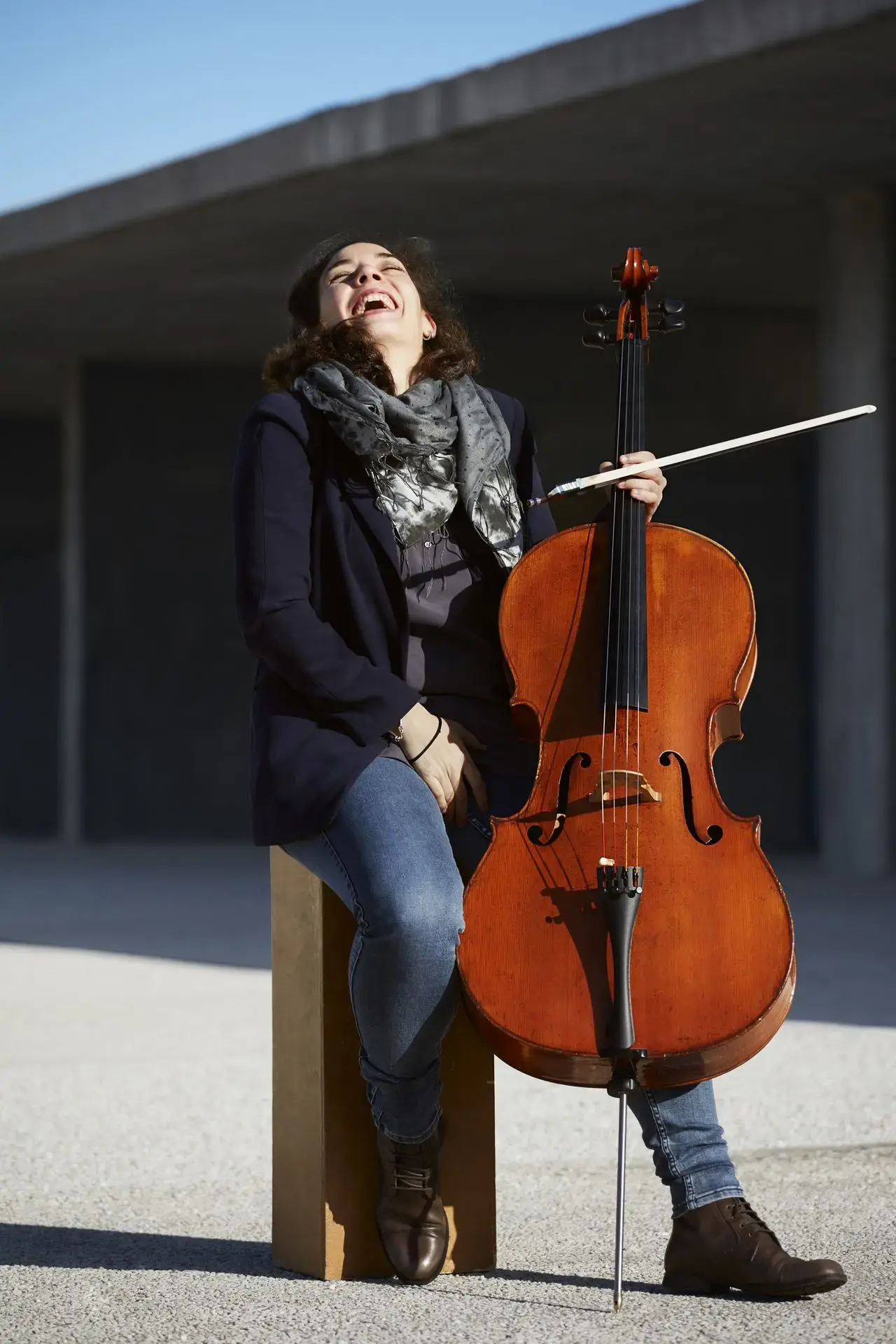
Pour un débutant, il est souvent recommandé de commencer par la location. Notre magasin propose des programmes de location achat pour les élèves qui le demandent:
- Violin size: It is crucial to have an instrument suited to the size of your arm. Sizes range from 1/16 for toddlers to 4/4 (full size) for adults.
- The quality of the woods: Spruce for the soundboard and maple for the back and sides are the standards of excellence.
- The bow: Often overlooked, the bow is the "heart" of the violinist. A bow that is too heavy or lacks responsiveness will limit your technical progress.
How to play the violin well: what you learn in Terrebonne
Learning the violin relies on a healthy posture to avoid muscle tension and long-term injuries. Garage à Musique and his entire team teaches you the right techniques to avoid these problems. Through the questions that aspiring violinists ask, the whole team breaks down for you what constitutes good violin learning..
What is the correct posture for playing the violin?
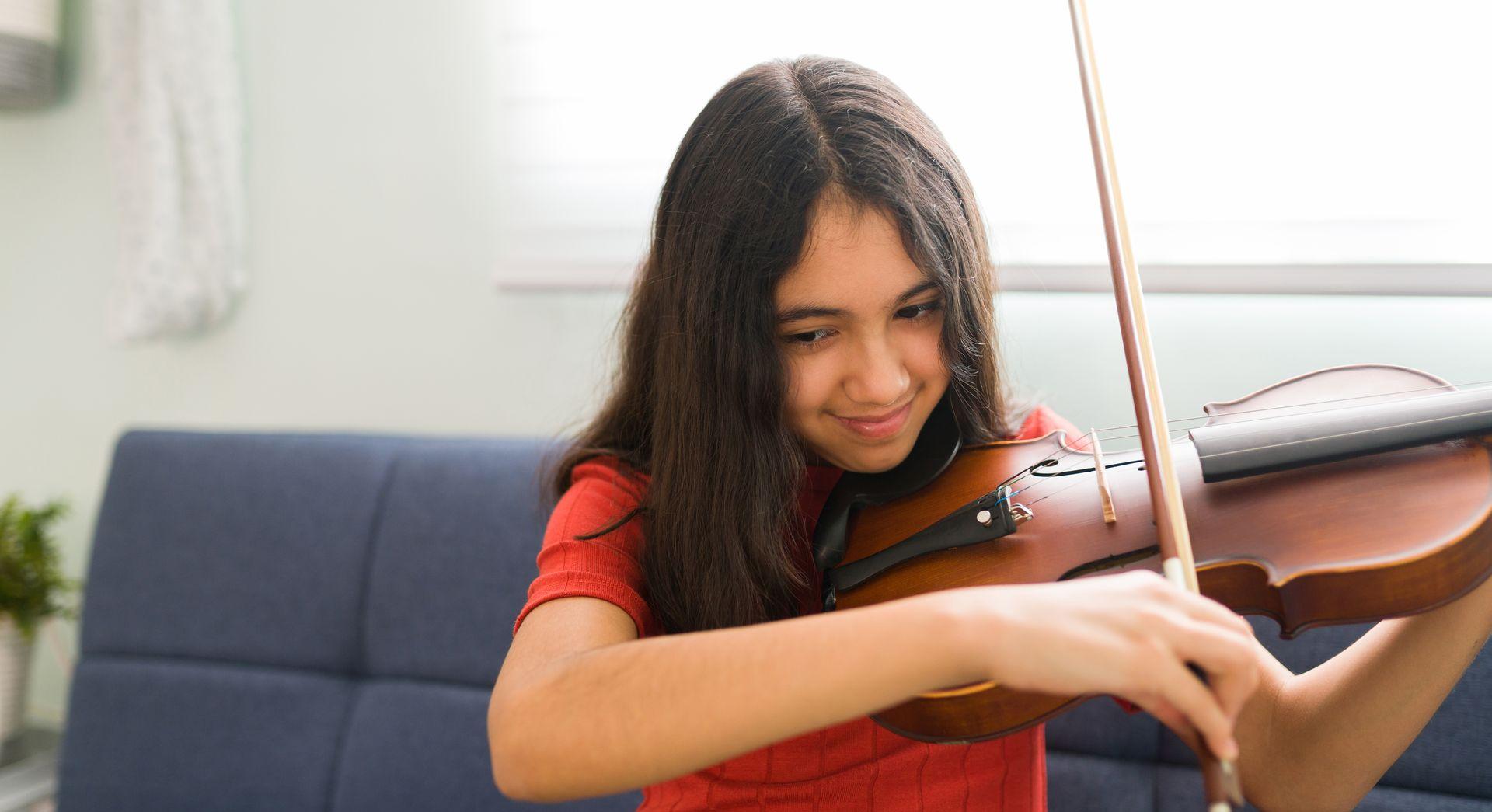
The violin should rest on the collarbone and be supported by the jaw (not just the left arm). Using a shoulder rest that fits your neck properly is essential to maintain a neutral spinal position.
How to be fair with the left hand?
Without frets to guide the fingers, the violinist must develop a keen inner pitch. Finger placement on the fingerboard requires mathematical precision. Using finger tapes (labels) on the fingerboard is a common method to help beginners visualize whole and semitone intervals.
Do we learn musical notes in violin lessons?
While some learn by ear (especially in folk music), reading music is a major asset. Understanding the treble clef, key signatures, and complex rhythms will allow you to explore an endless repertoire. The best violin lessons integrate theory organically. Learning to read sheet music while playing it strengthens neural connections and accelerates overall learning.
How to hold the bow correctly in a violin lesson?
The bow is responsible for sound production, dynamics, and articulation. Holding the bow requires a supple and relaxed right hand. Open-string exercises are a violinist's daily bread, allowing them to focus exclusively on bow straightness and weight distribution.
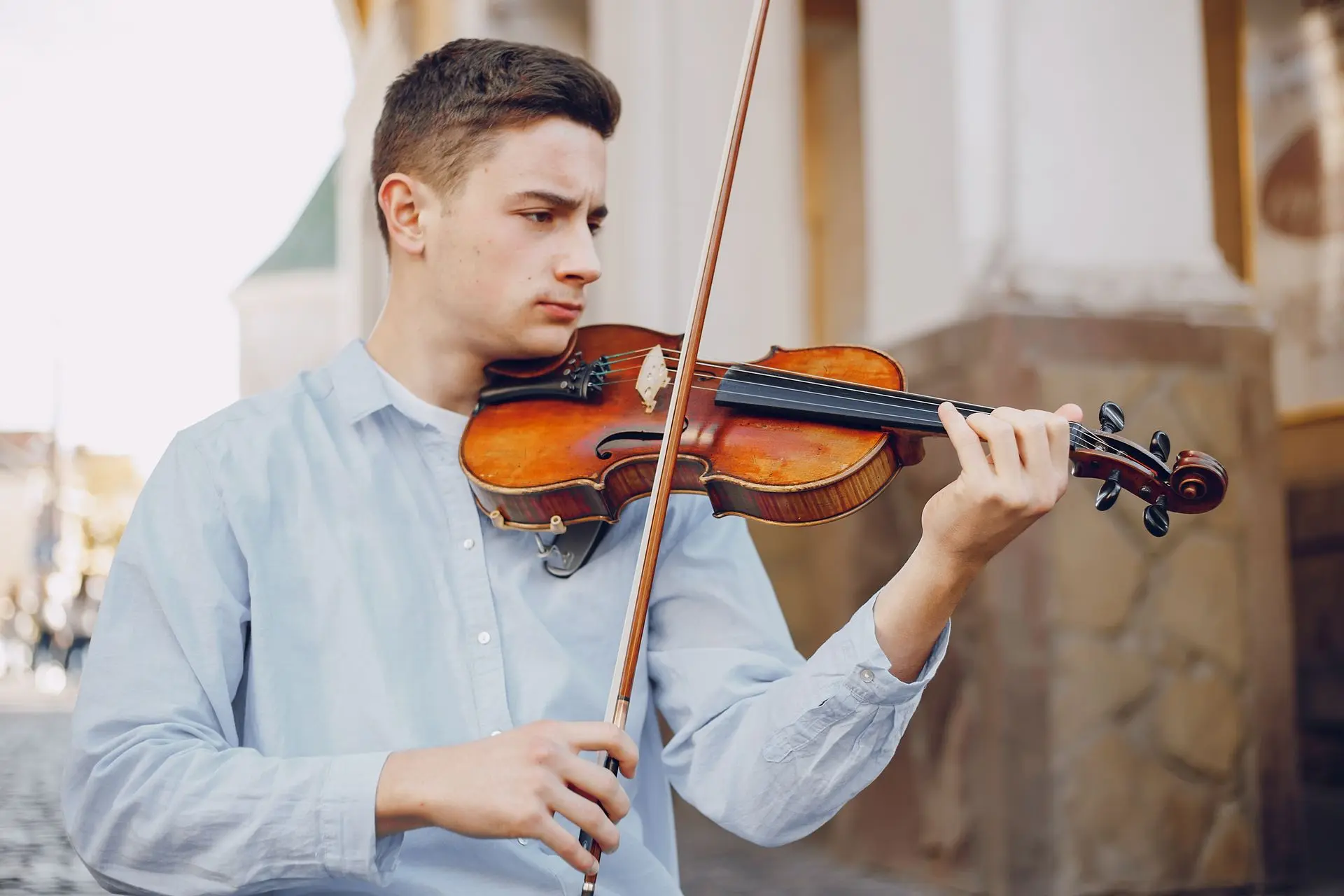
Are you looking for violin lessons for beginners or do you want to refine your technique? In either case, choosing the right method is the key to success. Discover how to get started and progress effectively with our local expertise at Garage à Musique.
How to structure an effective practice session?
In our hectic lives, finding time to practice can be a challenge. Yet, it's better to practice 15 minutes every day than two hours just once a week.
- Warm-up (5-10 min): Slow scales and flexibility exercises for the fingers.
- La technique pure (10-15 min) : Études pour la vélocité et la coordination.
- The repertoire (20-30 min): Work on your main piece, isolating the difficult passages instead of playing the piece from beginning to end without stopping.
- The fun (5 min): Always finish with a piece that you know well and enjoy playing.
Music is a language of communication. Participating in recitals, joining a youth orchestra, or being part of a chamber music ensemble is essential for maintaining motivation. Garage à Musique understands all these challenges and offers violin lessons specifically tailored to these structural and organizational requirements. You will quickly learn best practices to rapidly improve your performance and confidence with this instrument.
Discover my first violin lesson
Which violin method should I choose?
The choice of teaching methods greatly influences student motivation:
- The Suzuki Method: Ideal for young children, it prioritizes learning by ear, simulating the acquisition of a mother tongue.
- The Traditional Method: Emphasizes reading sheet music and solfège from day one.
- The Personalized Approach: At Garage à Musique, we adapt the repertoire according to your tastes (classical, pop or traditional) to keep the pleasure of playing intact.
How much does a violin lesson cost in Terrebonne?
Le prix d’un cours de violon à Terrebonne varie principalement selon le temps de cours, le nombre de cours et la taille du groupe. En moyenne, un cours individuel se situe entre 45 et 60 $ CAD de l’heure.
Type de cours Format Prix moyen (CAD / heure) Cours individuel 1 élève 45 – 60 $ Cours individuel à domicile 1 élève 60 – 80 $
*Nous précisons que ces prix sont des références et peuvent être susceptibles de changement selon les écoles de musique et les besoins
Au Garage à musique pour la session automne 2026 4 cours
Session de 12 cours (13 à la douzaine)
30 minutes
120$ (30$/ cours)
336$ (28$/ cours) + 1 cours gratuit à la fin
60 minutes
220$ (55$/ cours)
576$ (48$/ cours) + 1 cours gratuit à la fin
Unité
60$ de l’heure
N.B.: Aucun cours gratuit si à l’unité.
Vous pouvez effectuer une demande d'information afin d'avoir au préalable tous les détails administratifs sur les inscriptions au cours de violon.
Conclusion: A journey that lasts a lifetime
Learning the violin in Quebec is a demanding yet incredibly rewarding adventure. It's a commitment to yourself, a quest for beauty, and an unparalleled means of expression. Whether your goal is to play in a symphony orchestra or simply to charm your loved ones at a family gathering, every hour spent with your instrument is an investment in your cultural and personal well-being.
Whether you live in Terrebonne or Quebec City, accessibility is a key factor to consider for your future violin lessons. Garage à Musique offers flexible solutions, from studio lessons to advice on finding the best local luthiers. Proximity makes regular practice easier, essential for mastering this demanding instrument. Don't hesitate to make your violin your best friend with our amazing team!